

RED DESERT DREAMINGS NEWS
Winter 2025 Newsletter - EOFY & EXHIBITIONS
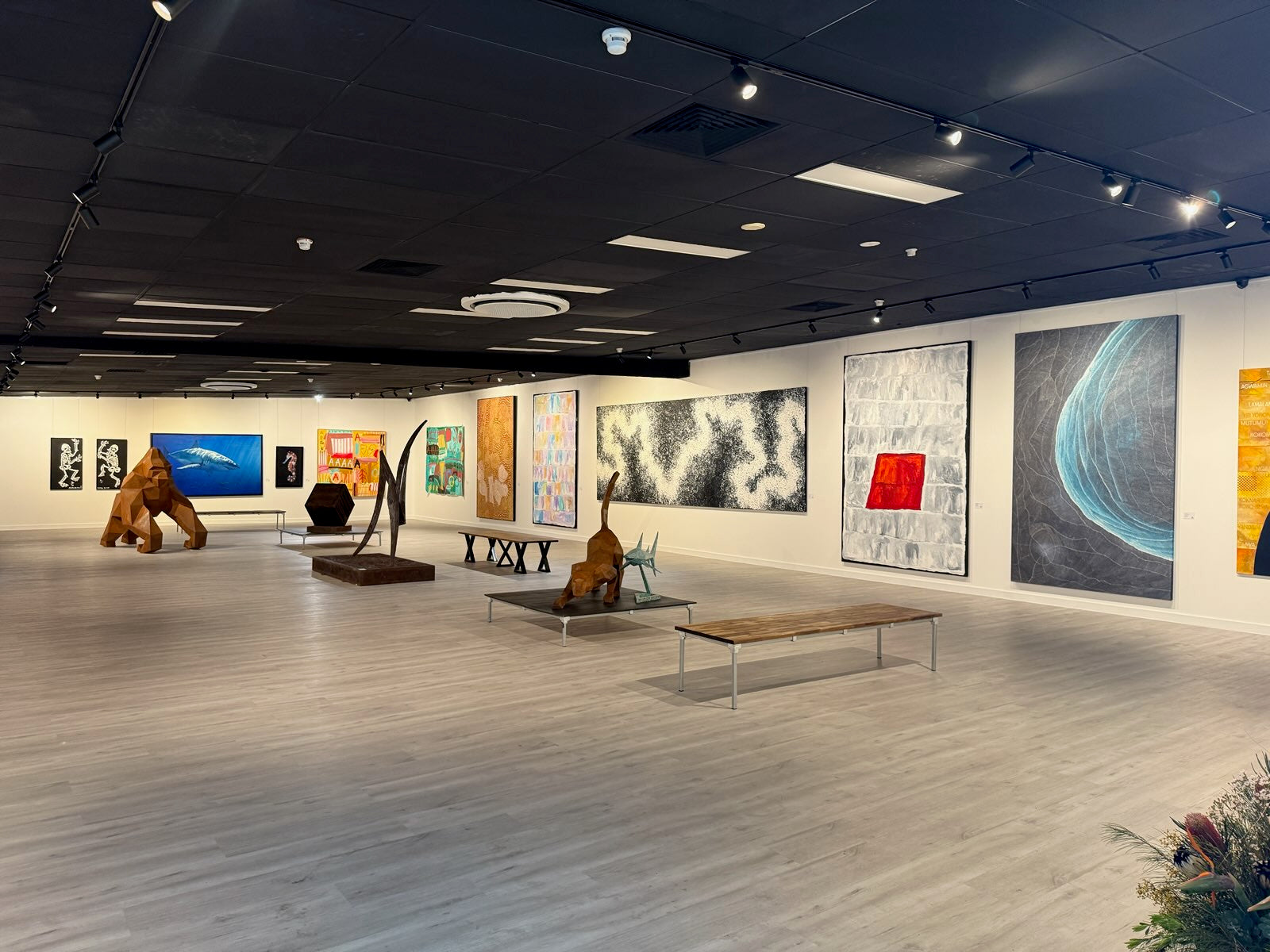
COLLECTORS AND STARTERS EXHIBIT @ MALVERN ARTISTS' SOCIETY July 1st - July 7th WE'RE HEADED BACK TO MALVERN! We had such a great time at last year's EOFY sale we...
The Stories Within: How Aboriginal Paintings Express Kinship and Cultural Knowledge
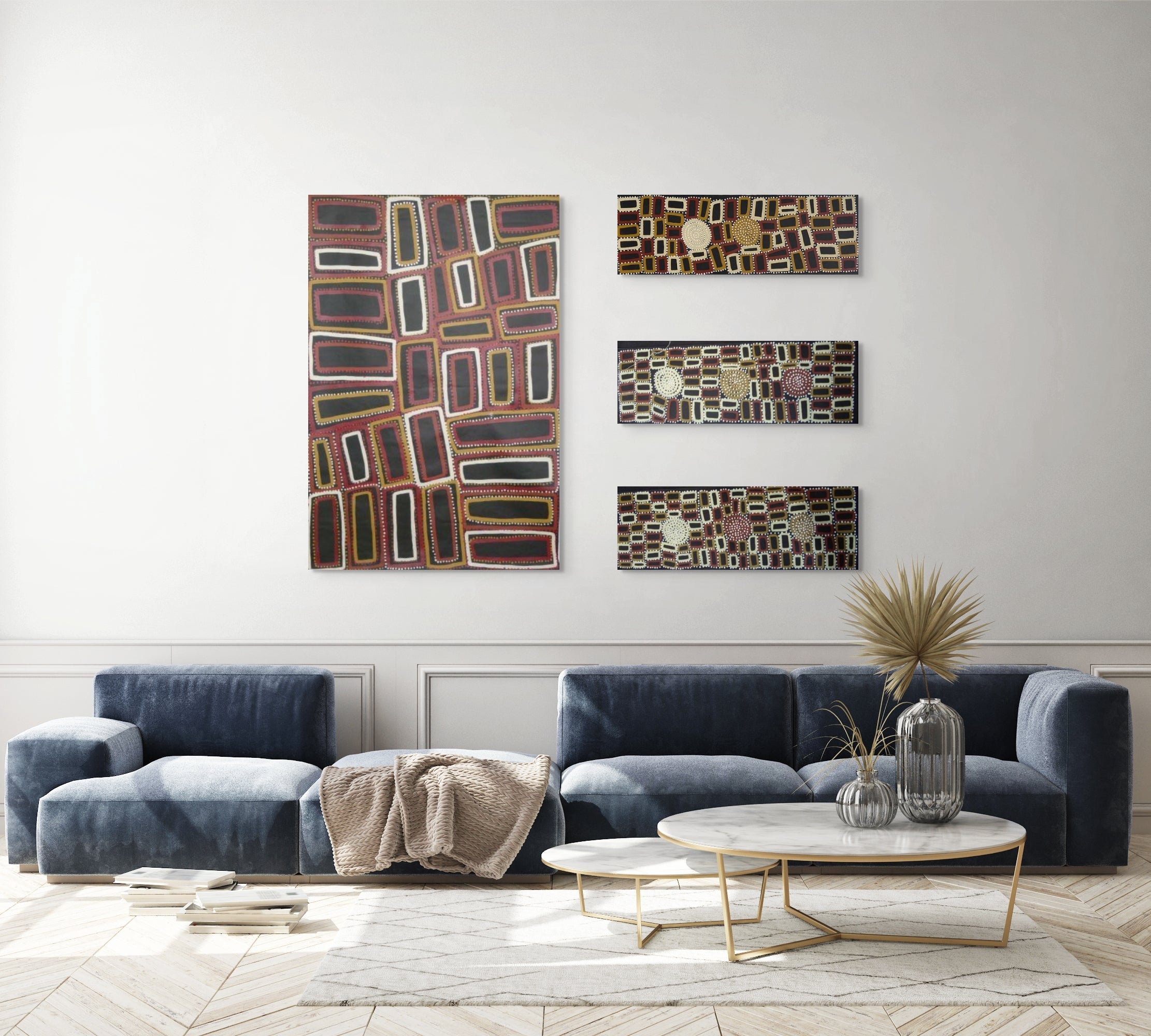
In many Central Desert communities, kinship systems structure life. They determine marriage relationships, ceremonial roles, and rights to speak for particular ancestral narratives. These systems are not symbolic. They are social law.
An artist does not choose subject matter freely. They paint stories that belong to their lineage. Authority is passed down through family connections and ceremonial initiation. This ensures that cultural knowledge remains protected and correctly represented.
When collectors engage with this reality, appreciation deepens. A painting becomes more than an object. It becomes an expression of belonging.
Kinship determines who may depict certain sites, who may reference specific ancestral journeys, and how stories may be shared publicly. Some aspects are open. Others remain private. Ethical representation respects those boundaries.
Why an Artist's Biography Matters When Buying Aboriginal Art
Collecting Indigenous Australian painting is both a privilege and a responsibility. It requires attention to detail, willingness to learn, and partnership with ethical representatives.
Biography provides the framework for that partnership. When collectors understand who the artist is, where they come from, and the cultural authority they carry, regardless of how they choose to bring their work to market, acquisition becomes confident and informed.
It also becomes meaningful.
If you are considering adding a significant work to your collection, begin with biography. Ask questions. Review documentation. Spend time with the story behind the surface.
Because in the world of Indigenous Australian painting, the life behind the canvas is not secondary. It is foundational.
Ethical Galleries and the Aboriginal Art Market
The market for Indigenous Australian painting has grown steadily over the past several decades. International collectors, institutions, and museums now recognise its cultural and artistic significance. With that recognition has come expansion.
Expansion brings opportunity. It also brings responsibility.
For serious collectors navigating the aboriginal art market, the most important question is not simply which painting to acquire. It is where and how to acquire it.
Because in this field, ethics are not optional. They are foundational.

How Aboriginal Art Traditions Are Sustained in Australia's Central Desert
Red Desert Dreamings works with artists across the full spectrum, from community art centres to independent artists who represent their own work, as well as reputable independent dealers. Each painting is documented with care, and artist biographies are detailed and transparent.
For collectors, this framework provides confidence. It ensures that acquisitions are grounded in authenticity rather than speculation.

The Rich Stories Behind Kudditji Kngwarreye’s Iconic Colour Field Works
Kudditji Kngwarreye stands as one of the most powerful and original voices in Aboriginal art, a visionary whose late-career paintings...
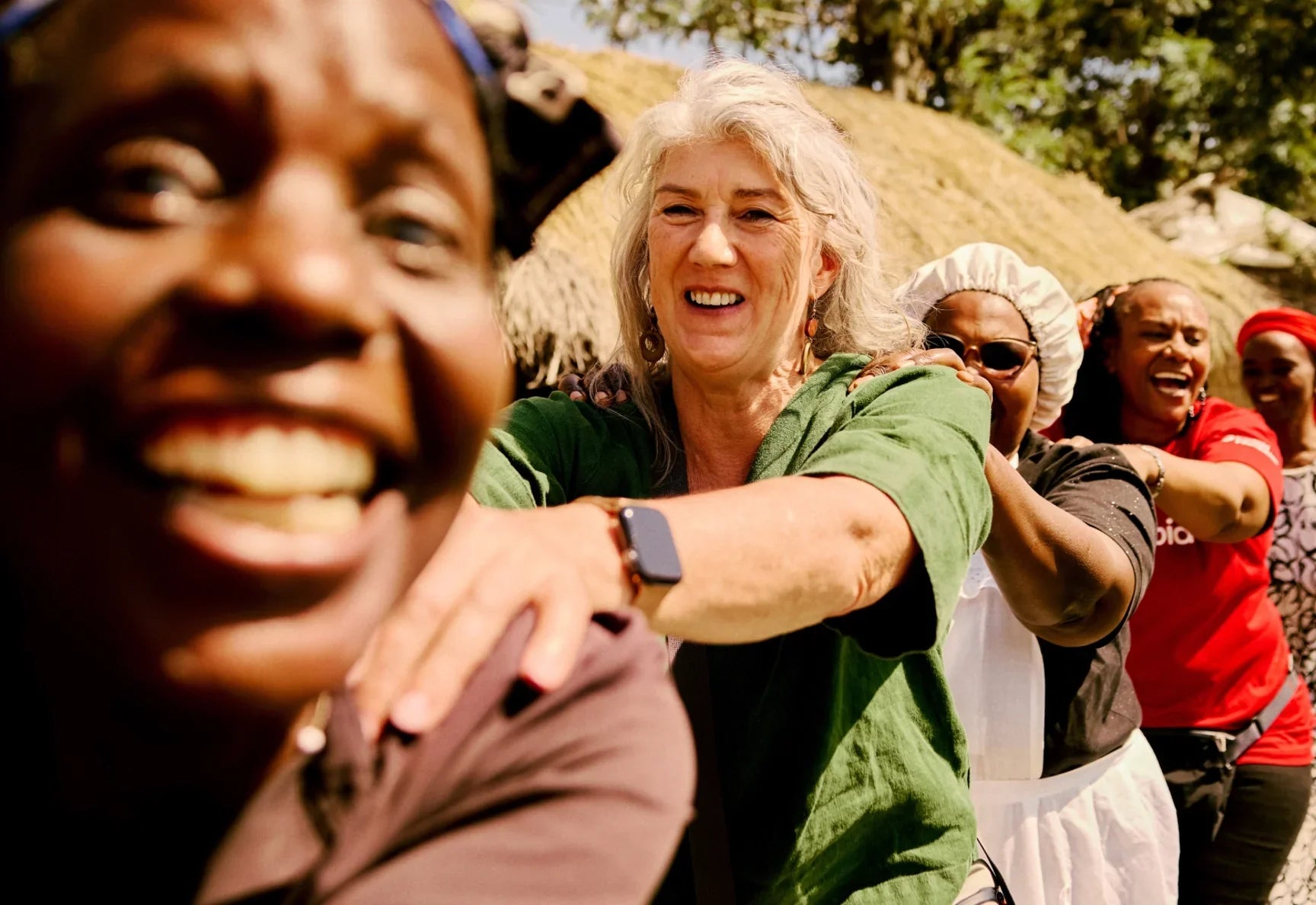
How to Collect Aboriginal Art Without Losing Its Soul
Each painting, dot, and colour field carries Dreaming art, ancestral stories, and the living cultural knowledge of communities that have...
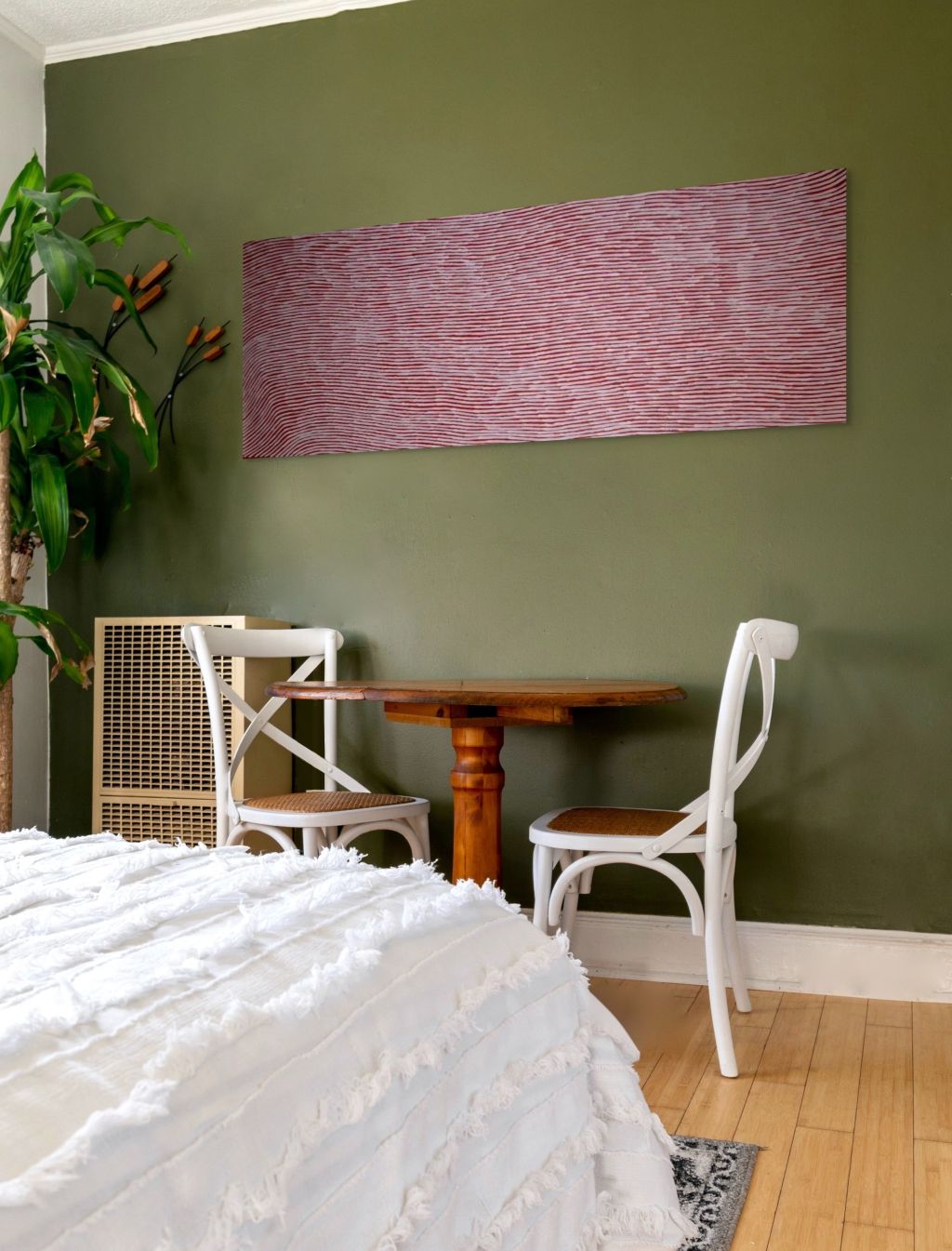
Inside Red Desert Dreamings Ethical Practices That Protect Culture
It is a space where cultural integrity, storytelling, and artistic excellence converge. Representing artists from the Central and Western Desert...
Emily Kame Kngwarreye, The Aboriginal Artist Who Redefined Abstraction
Emily Kame Kngwarreye, an Anmatyerre woman from Alhalkere in Central Australia, changed how the world understands painting. Her work came...
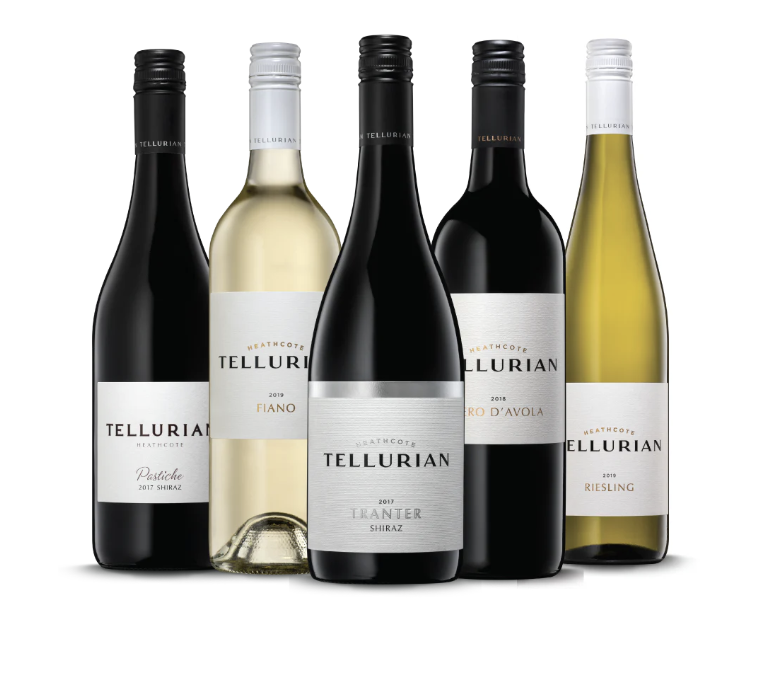
How Australian Wine Regions Are Pairing Fine Art with Fine Wine — and Culture
Australia’s vineyards have always inspired a kind of quiet awe. Sunlit rows stretch across rolling hills, each region carrying its...
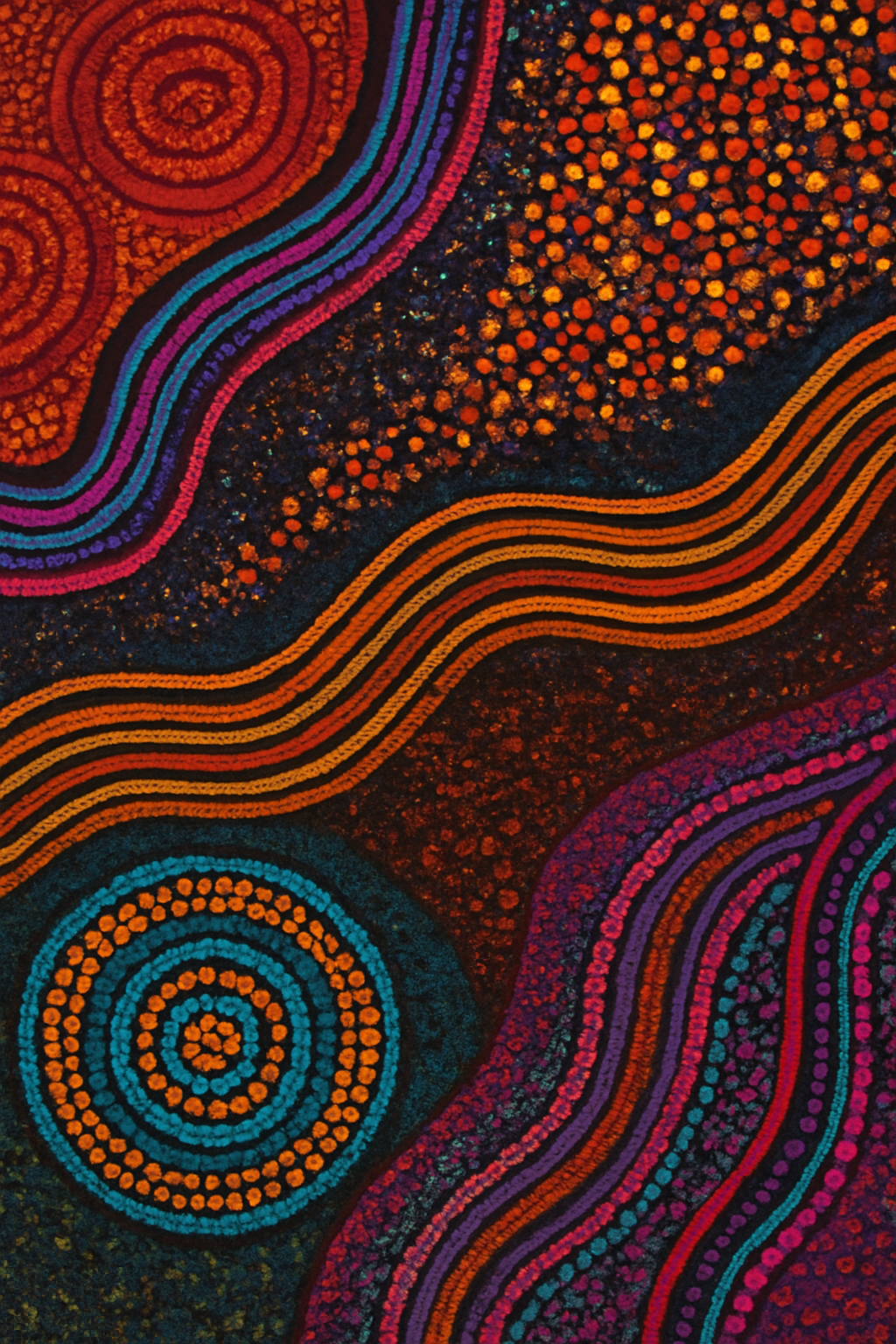
The Future of Aboriginal Art in Australia: Digital, Contemporary, Cross-Cultural Trends
Aboriginal art is one of the world’s oldest continuous artistic traditions, a visual language that carries more than 65,000 years...

Australia’s Connection to Dreamtime Stories, Explained for Art Collectors
Dreamtime (the Dreaming) is a living cultural reality, not a myth; it connects past, present, and future. Aboriginal artworks carry...