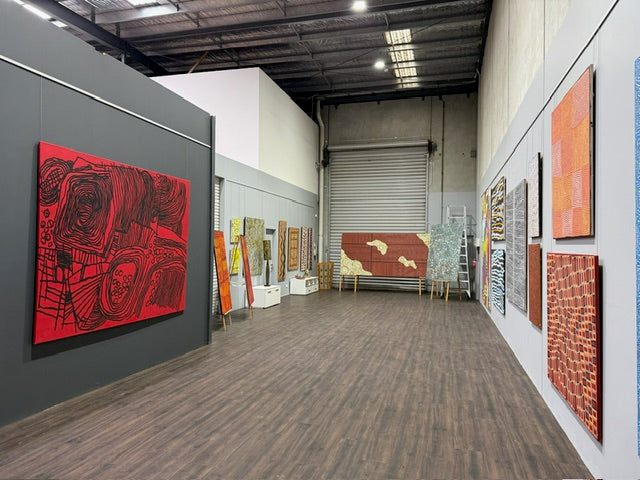
It is a space where cultural integrity, storytelling, and artistic excellence converge. Representing artists from the Central and Western Desert regions, the gallery honours the custodianship of Country, the authority of Elders, and the living traditions of Aboriginal communities. Every exhibition, every acquisition, and every collaboration is grounded in respect for the artists’ rights, stories, and heritage.
The gallery’s name reflects its mission: to celebrate the rich tapestry of Aboriginal art, connecting audiences to the spiritual, ancestral, and geographical narratives embedded in every painting. For collectors, travellers, and culture lovers, this is a place where viewing art is not a passive activity but a meaningful engagement with living culture.
Grounding Art in Country and Cultural Authority
At Red Desert Dreamings, cultural grounding is the cornerstone of ethical practice. Aboriginal art is not simply an aesthetic product, it is an expression of identity, ceremony, and custodial knowledge. Each work originates from Country, created under strict protocols determined by community law and lineage. Artists retain the authority to depict stories, symbols, and Dreaming narratives, which are considered sacred.
By foregrounding these principles, the gallery ensures visitors understand that what they are seeing is not decorative, but deeply cultural. Every exhibition opens with an acknowledgement of Country, paying respect to the Elders past, present, and emerging. This practice reinforces the gallery’s commitment to presenting Indigenous Australian art with authenticity and reverence.
Ethical Acquisition and Representation
One of the pillars of it is ethical acquisition. The gallery works exclusively with artists who provide informed consent and retain control over their works. Payments, royalties, and intellectual property rights are managed transparently, ensuring artists benefit fairly from their creativity.
This approach has several important implications:
-
Cultural integrity: Every painting or sculpture remains connected to its origin, with the artist’s permission and oversight.
-
Economic sustainability: Artists and their communities receive ongoing financial support, helping to sustain traditional practices and cultural knowledge.
-
Transparency for collectors: Buyers know that each piece is ethically sourced, accompanied by provenance documentation and artist information.
Exhibitions That Honour Story and Place
Unlike commercial galleries that focus solely on aesthetics, Red Desert Dreamings curates exhibitions that emphasise narrative, place, and cultural significance. Works are displayed with context, helping visitors understand the ancestral journeys, landforms, and Dreaming stories behind each piece.
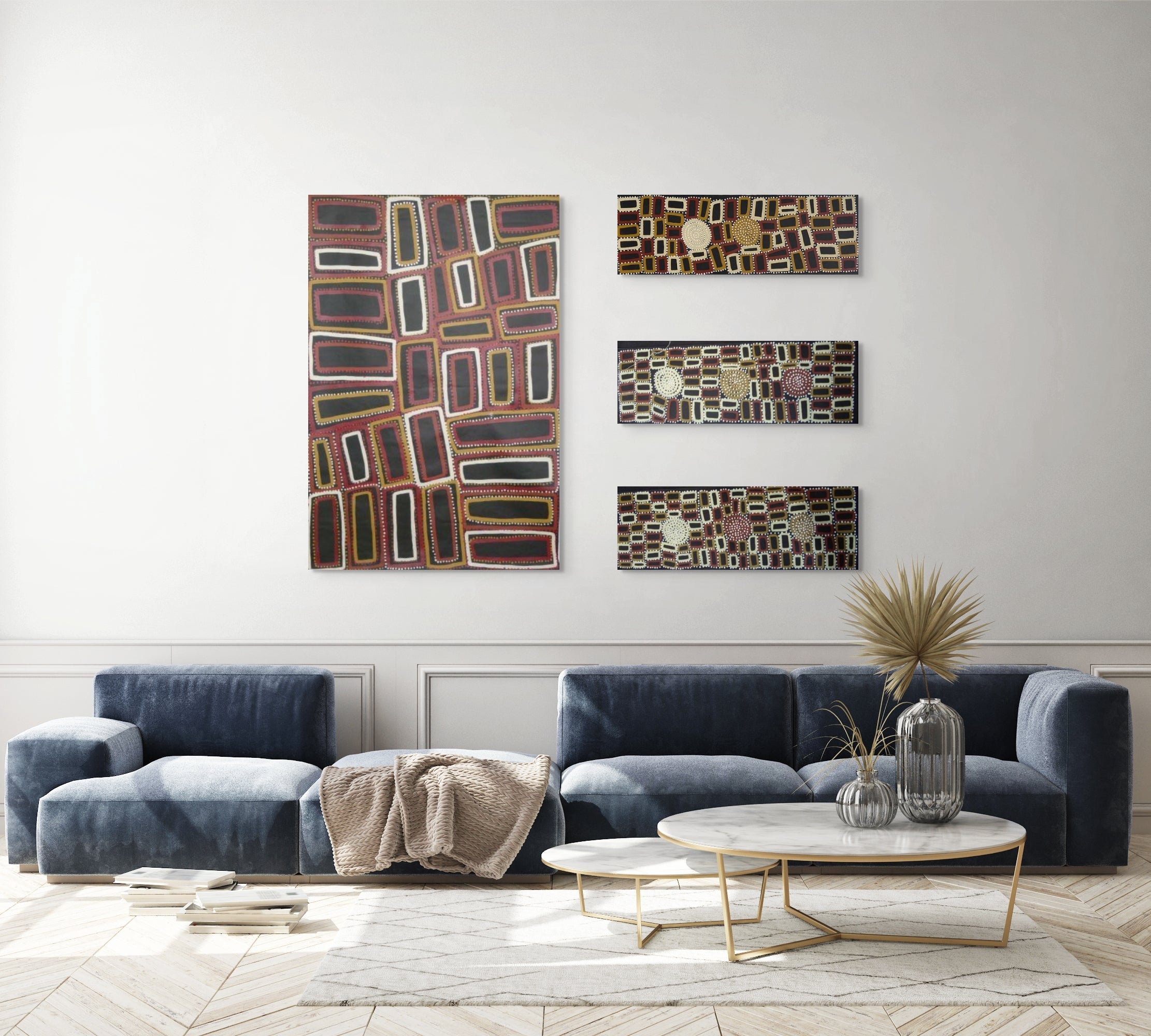
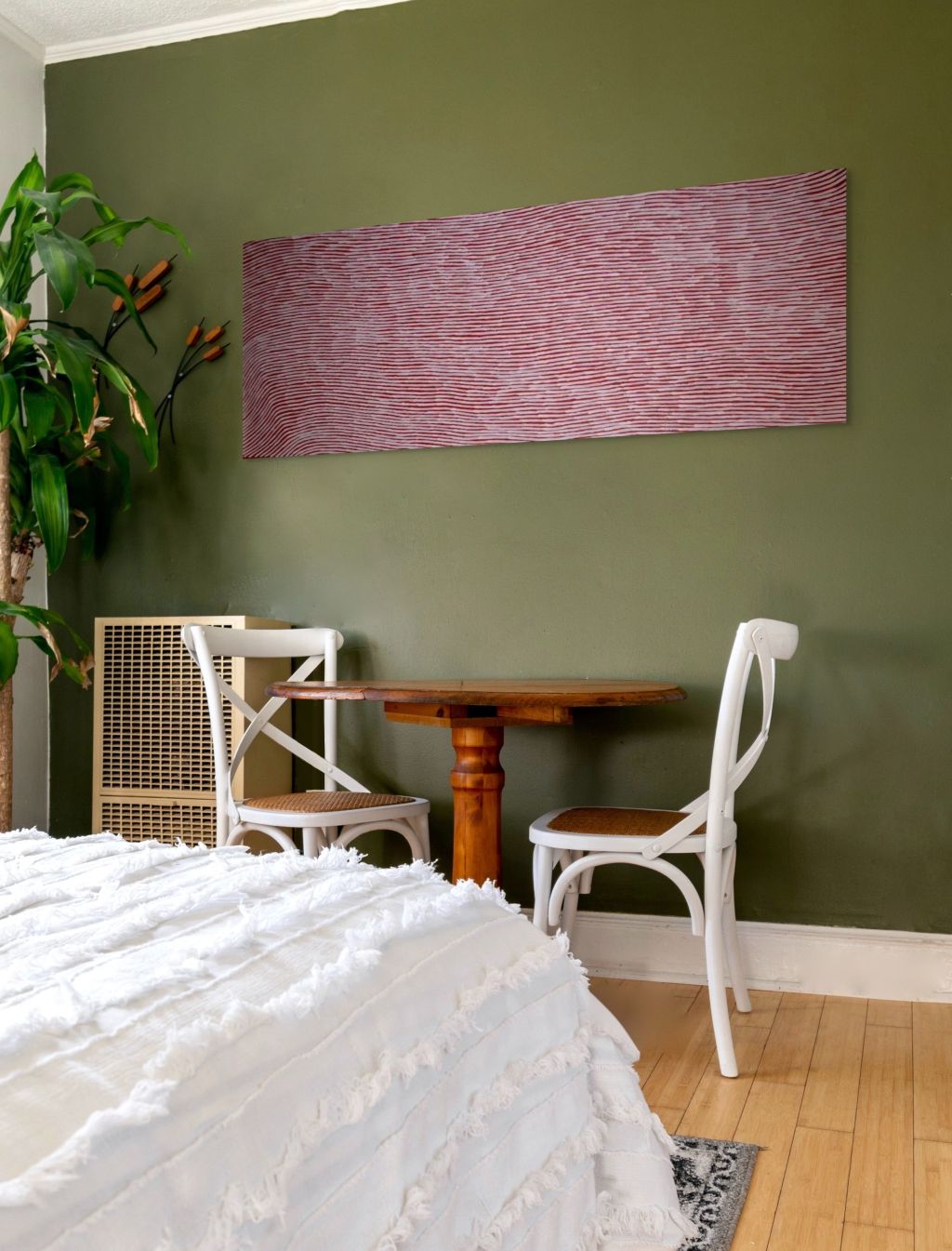
For example, artists from the Utopia region often depict their Dreaming art narratives through colour fields, dot work, and sweeping aerial patterns. These works are deeply connected to the artist’s Country, ceremonial responsibilities, and family lineage. Visitors are guided through these stories, fostering a richer appreciation of the cultural dimensions embedded in each artwork.
Supporting Artists Through Education and Advocacy
Ethical practice extends beyond buying and selling art. It also invests in education, offering workshops, talks, and online content that illuminate the cultural, historical, and spiritual frameworks of Aboriginal art.
This commitment benefits both artists and audiences:
-
Artists: Gain platforms to explain the meaning, protocols, and significance of their work, while connecting with collectors and the wider public.
-
Collectors: Learn how to engage respectfully, understanding the importance of permission, provenance, and cultural context.
-
Communities: Receive recognition and support for their cultural heritage, ensuring that stories, law, and ceremony continue across generations.
Education is key to ensuring that Indigenous art is appreciated not just visually, but ethically and culturally.
Collaboration With Communities: A Two-Way Relationship
Collaboration at Red Desert Dreamings is never one-sided. The gallery’s partnerships with artists, communities, and educational institutions are designed to be mutually beneficial:
-
Artist-led curation: Artists have the final say on how their work is presented.
-
Community consultation: Exhibitions and projects are reviewed in consultation with Elders and cultural custodians.
-
Storytelling workshops: Community members, especially youth, participate in programs that transmit cultural knowledge and artistic skills.
This model of collaboration ensures that the gallery’s practices support not just individual artists, but entire communities, helping maintain cultural continuity while promoting artistic growth.
Ethical Guidelines for Collectors
For collectors, we provide guidance to ensure purchases are ethical, culturally respectful, and legally compliant:
-
Verify provenance: Always confirm that works are accompanied by documentation and artist consent.
-
Understand cultural significance: Learn the story, Dreaming, and Country associated with each work.
-
Respect copyright and reproduction rights: Many works are protected under Indigenous intellectual property laws.
-
Support fair compensation: Ensure artists receive direct financial benefit from your purchase.
-
Engage with intention: Collect with an appreciation for cultural depth, not merely aesthetic appeal.
Following these principles helps collectors participate in a sustainable, respectful Aboriginal art market and reinforces the gallery’s mission.
Showcasing Living Culture
At its core, it is a gallery that celebrates living culture. Each exhibition, sale, and event is an opportunity to honour the knowledge, law, and creativity of artists. By foregrounding cultural authority, ethical practice, and community collaboration, the gallery ensures that every interaction—from first-time visitors to seasoned collectors—is deeply grounded in respect.
Visitors often describe the experience as transformative: seeing the colours, textures, and symbols while also understanding their ancestral meaning creates a connection that extends beyond the gallery walls. The works are not just admired—they are felt, understood, and honoured.
The Future of Ethical Gallery Practices
As interest in art grows internationally, galleries like ours set the standard for ethical engagement. Future trends include:
-
Artist residencies and mentorship programs: Strengthening intergenerational knowledge transfer.
-
Collaborative events with wine regions, festivals, and cultural centres: Promoting cultural appreciation through immersive experiences.
-
Global advocacy: Representing Aboriginal artists authentically at international exhibitions, awards, and biennales.
Ethical gallery practices ensure that as Indigenous Australian art reaches wider audiences, its cultural integrity remains intact, supporting artists and communities while educating collectors worldwide.
Art, Country, and Ethical Stewardship
We exemplifies how a gallery can honour both art and culture. By centring Aboriginal art within ethical, community-led frameworks, it ensures that artists retain control, stories remain sacred, and collectors engage responsibly.
Walking through the gallery, visitors witness a living culture artists’ voices echo through colours, patterns, and symbols, reminding us that every work is a continuation of ancestral knowledge. For those seeking to collect, learn, or simply be inspired, Red Desert Dreamings offers not just art, but connection, story, and cultural stewardship.
Every canvas is a meeting of creativity and Country, and every purchase is an ethical choice that supports the continuation of one of the world’s oldest and most profound artistic traditions.