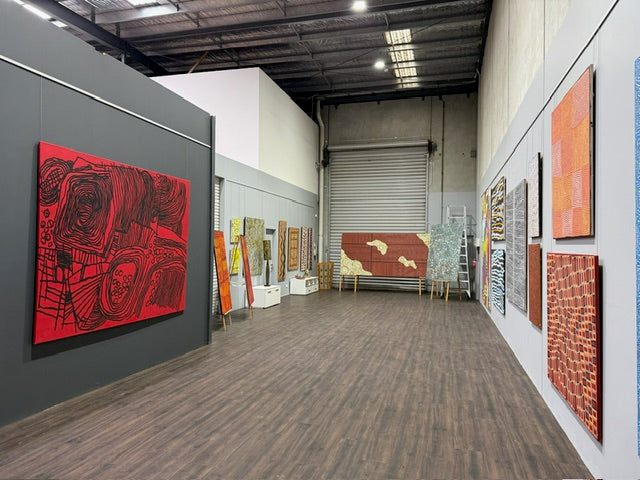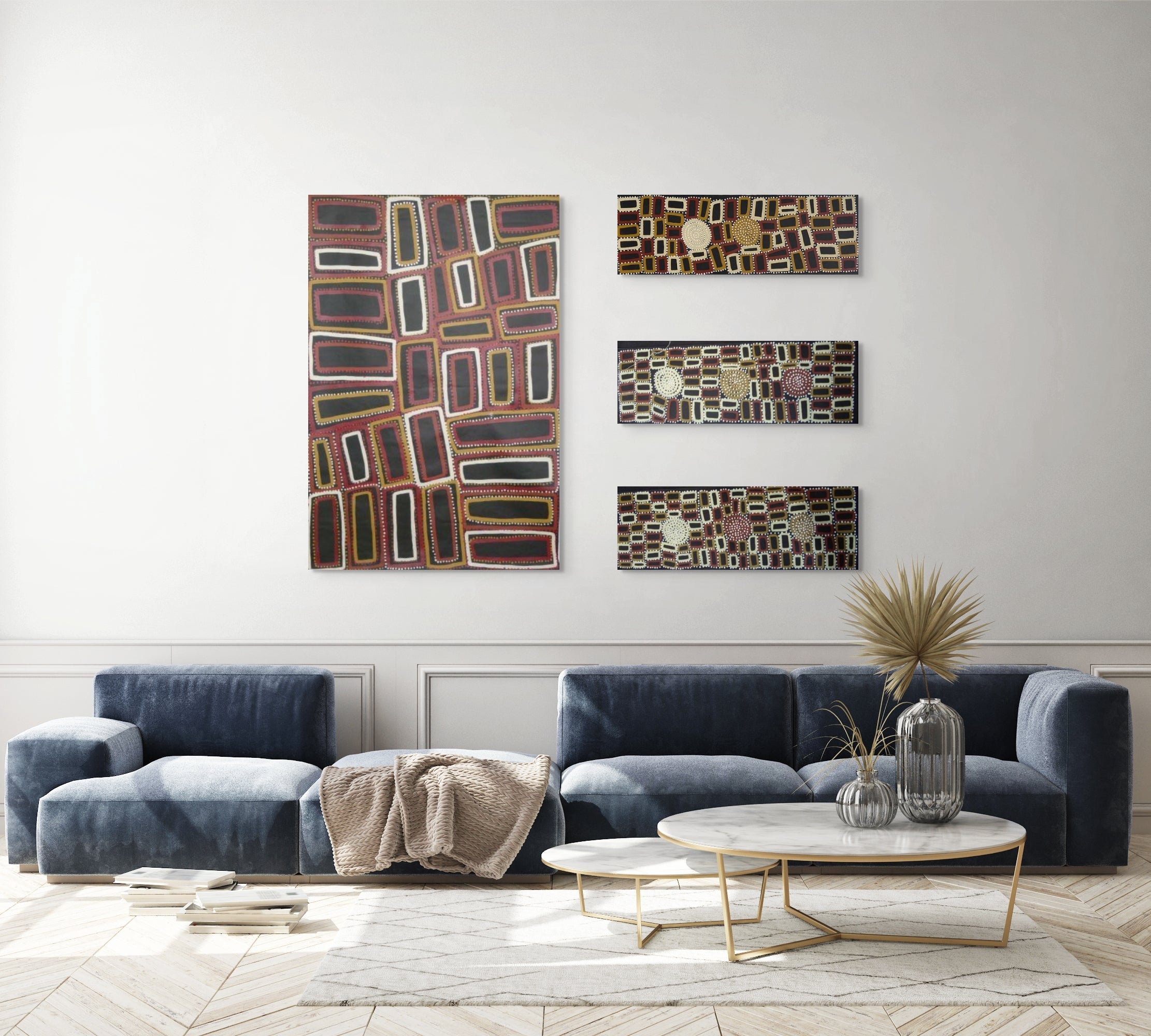
Aboriginal art is one of the world’s oldest continuous artistic traditions, a visual language that carries more than 65,000 years of cultural knowledge, spirituality, and connection to Country. Yet, while its foundations remain ancient and sacred, Aboriginal art is not frozen in time. It evolves, adapts, and expands with every generation of artists.
Across Australia, Indigenous creatives are stepping into new mediums, exploring contemporary techniques, and using digital platforms to share their stories with global audiences. The result is a vibrant new chapter, one where traditional knowledge intersects with modern expression, and where artists honour their heritage while shaping the future.
For collectors, curators, and lovers of Indigenous creativity, understanding these emerging trends is essential. The future of Aboriginal art is bold, dynamic, and more diverse than ever, offering new ways to appreciate culture while supporting the artists who carry these stories forward.
1. A New Generation of Artists: Innovation with Deep Roots
Aboriginal artists today stand between two worlds: the cultural knowledge passed down through family lines, and the rapidly changing landscape of modern artistic expression. Many emerging artists are experimenting with:
-
abstract interpretations of Country
-
bold colour palettes beyond traditional ochres
-
contemporary compositions
-
mixed-media applications
-
experimental surfaces and textures
But even with these changes, the core remains unchanged — the stories always come from place, community, and ancestral lineage.
A cultural truth remains constant:
Aboriginal art evolves, but never disconnects.
This is the guiding principle shaping the future. Innovation is welcomed, but only when it respects cultural authority, story ownership, and community protocols.
2. The Rise of Digital Aboriginal Art
Digital art has become one of the most transformative movements in creative industries worldwide — and Aboriginal artists are making their mark in powerful ways.
Digital painting & illustration
Young Indigenous artists are using tablets and digital brushes to reinterpret Dreamtime narratives, traditional symbols, and aerial perspectives of Country. These works may be digital in form, yet they maintain cultural depth and storytelling integrity.
Animated storytelling
Animations created by Indigenous filmmakers and artists help bring Country and Dreamtime stories to life for new generations. These visual narratives are used in:
-
education
-
interactive museum displays
-
cultural centres
-
children’s programming
NFTs & blockchain art
A small but growing number of Aboriginal artists are exploring digital ownership through blockchain, offering collectors new ways to engage with cultural works. Ethical guidelines are important here — artists and communities must maintain full control, permissions, and cultural rights.
Social media as a global stage
Platforms like Instagram and TikTok have amplified Indigenous voices, giving artists the power to share their work without gatekeepers. Young Aboriginal creators now reach audiences across Europe, Asia, and the United States with a single post.
Digital expansion is not replacing traditional art — it is expanding the canvas.
3. Contemporary Aboriginal Art: A Bold Creative Frontier
Modern Indigenous artists are redefining expectations by blending traditional motifs with contemporary aesthetics.
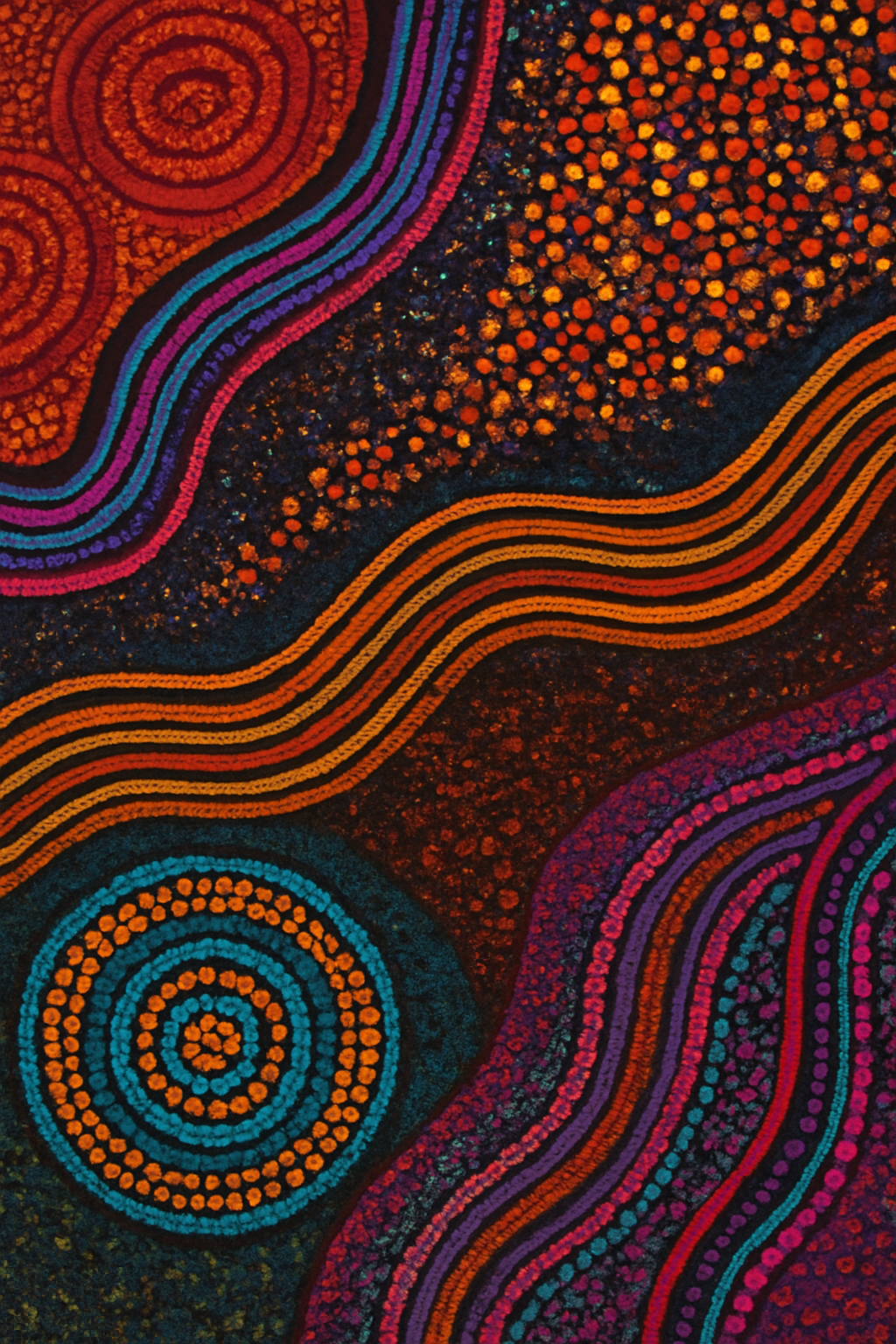
New colour expressions
While classical desert art often uses earthy ochres, many contemporary artists embrace:
-
electric blues
-
vibrant pinks
-
neon yellows
-
metallic accents
These colours reflect modern identity, urban Indigenous life, and cultural adaptation.
Urban & political storytelling
Some artworks explore themes such as:
-
identity in modern Australia
-
climate change
-
urban displacement
-
community survival
-
environmental justice
-
intergenerational healing
These pieces resonate strongly with younger collectors and international audiences.
Texture and experimentation
Artists are using:
-
thick acrylic layering
-
sand and natural materials
-
carved wood
-
ochre blends
-
contemporary mixed media
Each technique creates new ways to express Country while respecting its meaning.
4. Cross-Cultural Collaborations: A Growing Creative Bridge
In recent years, more Indigenous artists have collaborated with:
-
fashion designers
-
architects
-
musicians
-
filmmakers
-
sculptors
-
digital designers
-
international galleries
These collaborations celebrate culture while opening new creative pathways.
Fashion partnerships
Aboriginal art has appeared on:
-
runway garments
-
jewellery collections
-
fabric prints
-
wearable storytelling pieces
Each partnership must follow strict cultural licensing, ensuring artists retain rights and receive fair compensation.
Architecture & public art
Indigenous creativity is shaping public spaces across Australia, including:
-
murals
-
sculpture installations
-
architectural facades
-
community centre designs
-
university buildings
These projects symbolise cultural recognition and connect modern cities with ancient knowledge.
Music & film
Indigenous artists collaborate with musicians and filmmakers to create visual identities for albums, soundtracks, and documentaries — blending sound, story, and image.
5. International Recognition: Aboriginal Art on the Global Stage
As global interest grows, Aboriginal artworks are now showcased in major galleries and cultural festivals worldwide.
Collectors from Europe, Asia, and North America are particularly drawn to:
-
the depth of Dreamtime storytelling
-
the distinct visual language
-
the spiritual connection to land
-
the powerful emotional presence of the works
International exhibitions are increasing cultural exchange, giving artists opportunities to present their stories to new audiences while expanding the global appreciation of Indigenous knowledge.
6. The Role of Galleries in Preserving Tradition While Supporting Innovation
Galleries like Red Desert Dreamings play a vital role in the future of Aboriginal art. They support artists by:
-
commissioning new works
-
offering fair payment and royalties
-
sharing stories respectfully
-
educating collectors
-
curating exhibitions that showcase evolving styles
7. What the Future Holds: Predictions & Emerging Trends
More young Indigenous artists entering the digital space
Expect more VR storytelling, digital canvases, animated narratives, and interactive Dreamtime content.
Greater cross-platform visibility
Art will appear in gaming, streaming, films, and global design collaborations.
Rise of eco-focused Indigenous art
Climate, land protection, and water narratives will shape future works.
Community-driven art centres will strengthen
These centres will continue teaching young artists, preserving stories, and empowering regional communities.
Growing collector demand
Collectors are increasingly interested in culturally meaningful contemporary styles.
Increased recognition of regional styles
More attention will be given to styles from the Kimberley, Tiwi Islands, Arnhem Land, and desert communities.
A Cultural Future Rooted in Strength
The future of Aboriginal art in Australia is bright, expansive, and full of possibility. While the mediums and expressions continue to evolve, the heart remains unchanged — the stories, the land, and the ancestral connections that shape each artwork.
Indigenous artists are honouring tradition while opening new creative pathways for the next generation. Whether through digital innovation, contemporary reinterpretation, or cross-cultural collaboration, the next chapter of Aboriginal art will be more dynamic and influential than ever.
For collectors, this means an exciting future filled with opportunities to celebrate culture, support artists, and experience new forms of storytelling.
Aboriginal art has always been a deep cultural force and in the years ahead, it will continue to grow, transform, and inspire the world.