The market for Indigenous Australian painting has grown steadily over the past several decades. International collectors, institutions, and museums now recognise its cultural and artistic significance. With that recognition has come expansion.
Expansion brings opportunity. It also brings responsibility.
For serious collectors navigating the aboriginal art market, the most important question is not simply which painting to acquire. It is where and how to acquire it.
Because in this field, ethics are not optional. They are foundational.
The Reality of the Aboriginal Art Market
The Aboriginal art market is layered. It includes community art centres, independent artists, commercial galleries, auction houses, and private resales. Within this structure, standards can vary considerably.
Historically, some artists were underpaid. In certain cases, works were misattributed or produced without proper cultural authority. These issues prompted greater scrutiny and stronger expectations around documentation and transparency.
Today, informed collectors seek clarity. They want to know: Is the artist properly represented? Was the work sourced through a reputable channel? Is cultural permission respected? Is provenance documented clearly?
An ethical framework answers these questions before they are asked.
What Defines an Ethical Aboriginal Art Gallery
An ethical aboriginal art gallery operates with transparency and accountability. It works with artists across the full range of the market, through community art centres, directly with independent artists who represent their own work, and through reputable independent dealers.
It ensures fair compensation at every level. It respects cultural boundaries when sharing stories. Most importantly, it recognises that Indigenous painting is inseparable from identity and Country.
This means documentation is detailed. Artist biographies are accurate. Provenance is traceable. Cultural narratives are presented respectfully without overexposure of restricted knowledge.
Ethical galleries also prioritise long term relationships over short term sales. Their role is not merely transactional. It is custodial.
A Broad and Legitimate Market
It is important to understand that ethical sourcing takes many forms. Community art centres support many artists with exceptional results, providing infrastructure, advocacy, and cultural continuity.
But artists who represent their own work are equally part of the legitimate Indigenous art market. There has been growing recognition within the industry that constraining the market solely to art centre sourcing can exclude significant independent artists. Those who have built careers on their own terms, maintaining full authority over their practice and representation, deserve the same respect and access as any other artist. Artists like Sarrita King exemplify this path, operating successfully outside the art centre model while remaining deeply connected to their cultural identity and Country.
Reputable independent dealers serve an important function too, connecting collectors with works from across the broader market while maintaining standards around documentation, authenticity, and fair dealing.
For collectors exploring aboriginal art for sale, the key is not which channel a work comes from but the rigour and integrity applied to how it is sourced and represented.
Differentiation in a Competitive Market
Not all galleries operate at the same standard. Some prioritise volume. Others prioritise speed. Ethical galleries prioritise accuracy, fairness, and respect.
This difference may not always be visible at first glance. Beautiful presentation can exist anywhere. But documentation, artist relationships, and cultural understanding reveal deeper distinctions.
Collectors who ask informed questions quickly recognise the difference between decorative display and cultural authority. Choosing a gallery that demonstrates integrity strengthens the entire collecting experience.
The Role of the Collector
Collectors are not passive participants in the market. Their choices shape demand and standards.
When collectors support ethical representation, they reinforce responsible practices. They encourage fair compensation. They protect artists from exploitation, regardless of whether those artists work through an art centre or independently.
They also protect their own collections. Works acquired through reputable channels maintain stronger provenance. They are more likely to retain recognition within institutions and serious collections. Their documentation supports future resale if desired.
In a mature market, ethical sourcing is inseparable from long term value.
Why Visiting Matters
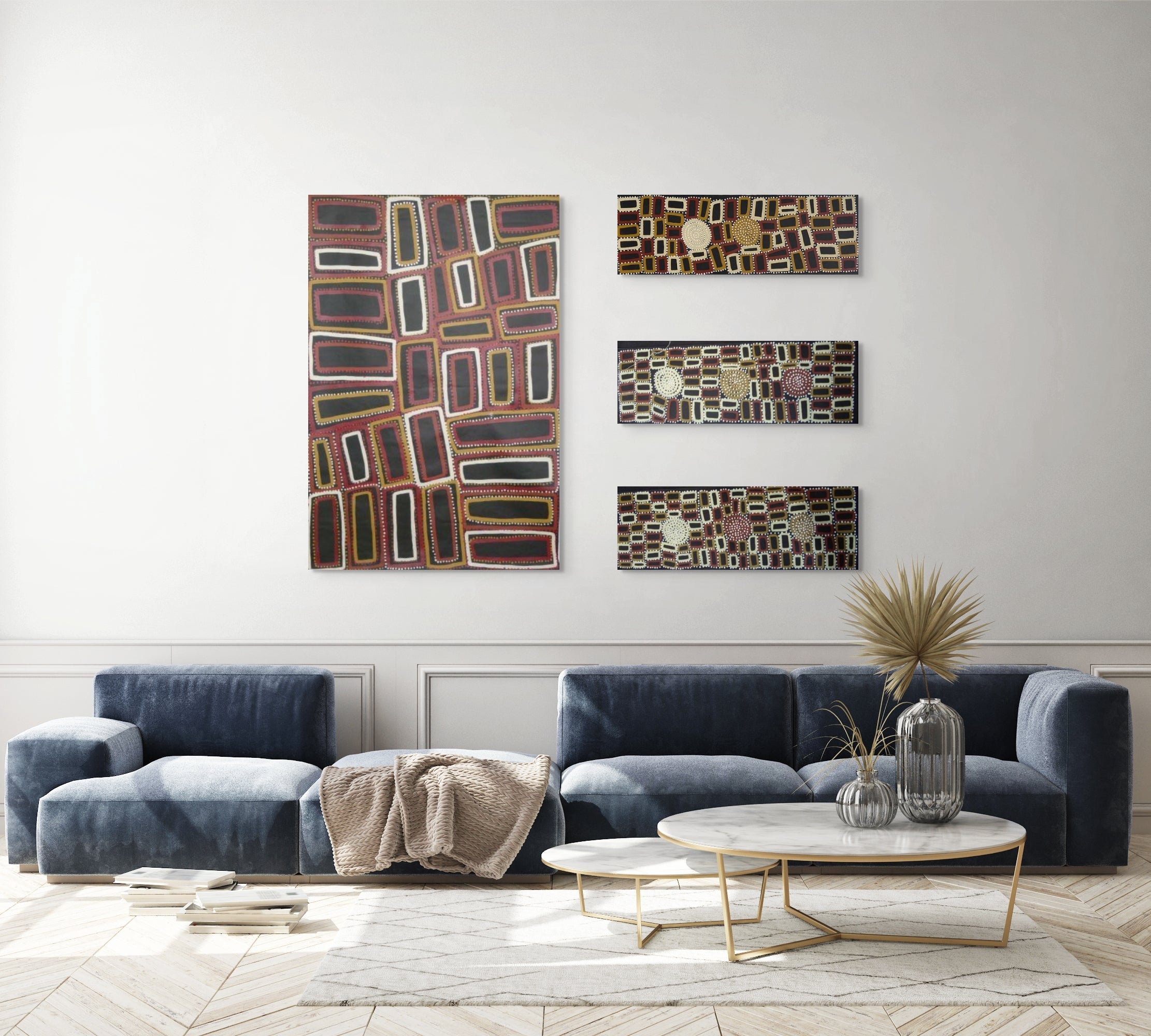
Images alone cannot convey the depth of a painting. Nor can they fully communicate a gallery's approach to representation.
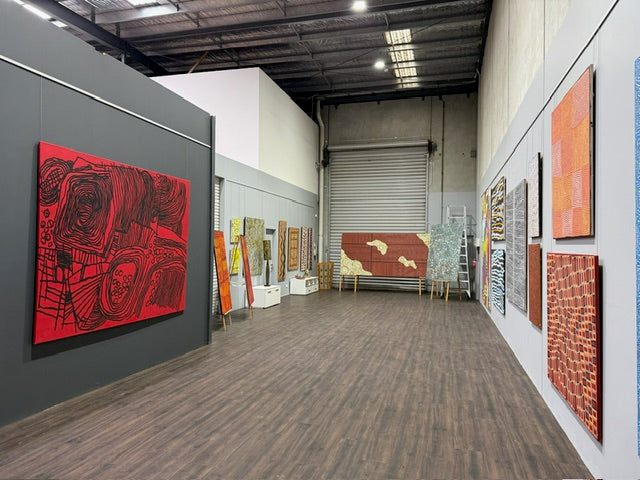
Visiting in person allows collectors to examine surface detail closely, discuss artist biography directly, review provenance documentation, and understand cultural context through conversation.
Private viewings offer space for thoughtful engagement. Questions can be addressed thoroughly. We invite collectors to book a free tour and explore available works in a focused and informed setting.
This experience cannot be replicated remotely.
Red Desert Dreamings and Responsible Practice
Red Desert Dreamings works with artists and their representatives across the full spectrum of the market, community art centres, independent artists who manage their own practice, and reputable independent dealers. This breadth reflects a genuine commitment to the diversity of the Indigenous art world.
What remains consistent is the standard applied: thorough documentation, accurate artist biographies, respectful cultural representation, and transparent provenance.
Collectors visiting the gallery encounter more than curated walls. They encounter context. They receive detailed artist histories. They gain clarity around provenance and cultural authority.
This alignment between ethical sourcing and informed collecting builds trust.
Confidence in High Value Acquisitions
Serious collectors understand that acquiring significant works requires diligence. They review documentation. They study biography. They consider market history. An ethical gallery supports this process rather than rushing it.
Clear records. Honest dialogue. Cultural respect. These elements create confidence.
In the evolving Indigenous art market, reputation matters. Galleries known for integrity attract discerning collectors and respected artists alike. That network strengthens the stability of work acquired through those channels.
Frequently Asked Questions
What defines an ethical Aboriginal art gallery?
Transparent provenance, fair compensation, verified artist relationships across all sourcing channels, and culturally respectful representation, including recognition of independent artists who represent their own work.
Why does ethical sourcing matter to collectors?
It protects authenticity, strengthens long term value, and ensures artists are supported responsibly, whether they work through a community art centre, independently, or via a reputable dealer.
How can collectors verify a gallery's integrity?
By reviewing provenance documentation, asking about sourcing practices across different channels, understanding how artist biographies are compiled, and observing how cultural knowledge is shared respectfully.
Does sourcing from independent artists or dealers raise any concerns?
Not when the sourcing is conducted with rigour. Independent artists who represent their own work are a legitimate and important part of the Indigenous art market. Reputable dealers operate to the same standards of documentation and authenticity as any other channel. What matters is that authorship is verified and provenance is clear.
Why is visiting a gallery beneficial before purchasing?
In-person visits allow collectors to examine works closely, review documentation, discuss artist stories in depth, and build trust through direct conversation. Book a free tour to explore available works and begin a considered collecting relationship.
A Thoughtful Invitation
If you are considering expanding your collection, begin with a relationship.
Visit the gallery. Engage in conversation. Review documentation carefully. Spend time with the paintings.
The right environment makes this process natural rather than pressured. Collecting Indigenous Australian paintings is not simply a financial decision. It is a cultural partnership. It requires attentiveness and respect.
Choosing an ethical gallery ensures that partnership is grounded in integrity from the very beginning.
We welcome you to visit, explore, and build your collection with clarity and confidence.
Because in this market, where you collect matters as much as what you collect.