Australia’s vineyards have always inspired a kind of quiet awe. Sunlit rows stretch across rolling hills, each region carrying its own rhythm. From the bold Shiraz country of Heathcote to the refined cool-climate pockets of the Yarra Valley and Margaret River, these landscapes have long shaped some of the world’s most recognisable wines.
Over the past decade, though, something new has been growing among these vines. Wineries are becoming cultural destinations where wine, landscape, and creativity meet. And at the heart of this shift is a powerful pairing: fine wine and Aboriginal art, created by artists whose connection to Country spans more than 65,000 years.
It’s a movement grounded in respect, storytelling, and place. Wine expresses terroir. Indigenous art expresses Country. Together, they offer visitors an experience that feels layered, sensory, and deeply Australian.
A Cultural Shift Across Australian Wine Regions
Not long ago, a day at a winery meant a tasting bench, vineyard views, and maybe a cheese board if you were lucky. Today, expectations have changed. Visitors seek spaces that help them slow down and feel something meaningful — something cultural, not just culinary.
Across Australian wine regions, wineries are responding by weaving art into the experience through:
-
permanent exhibitions
-
seasonal shows
-
sculpture walks
-
curated gallery partnerships
-
cultural storytelling programs
This evolution feels natural once you look closely. Wine and art are both shaped by craftsmanship, emotion, and a deep relationship with the land. And no artistic tradition speaks to Country more profoundly than the work of Indigenous Australian artists.
Why Aboriginal Art and Wine Speak the Same Language
At first glance, wine and fine art might seem like separate worlds. But what this really means is that we’ve simply overlooked how closely they mirror each other.
Both reflect the land
Wine expresses terroir — the soil, climate, and environment that shape every grape. Aboriginal art expresses Country — the spiritual, ancestral, and geographic identity of the land and its stories.
Both are handcrafted
A winemaker shapes each harvest with intention. An artist shapes each piece through cultural knowledge passed across generations.
Both carry stories
A bottle holds a season and the choices of the maker. A painting holds ancestry, memory, and connection. And when the artwork reflects Dreamtime art or the Dreaming — the ongoing spiritual reality that connects people to Country — visitors experience something far deeper than aesthetics.
Both shift the way we feel
A great wine changes the moment. So does a powerful artwork. Together, they invite people to stay a little longer, breathe a little deeper, and connect with the place in front of them.
Inside the Collaboration: Tellurian Wines & Red Desert Dreamings
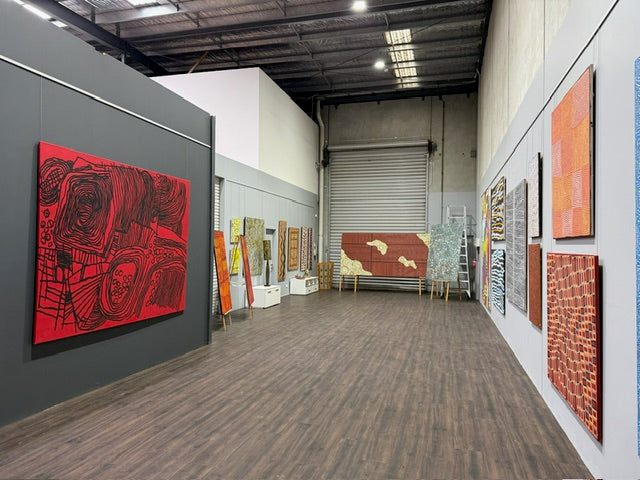
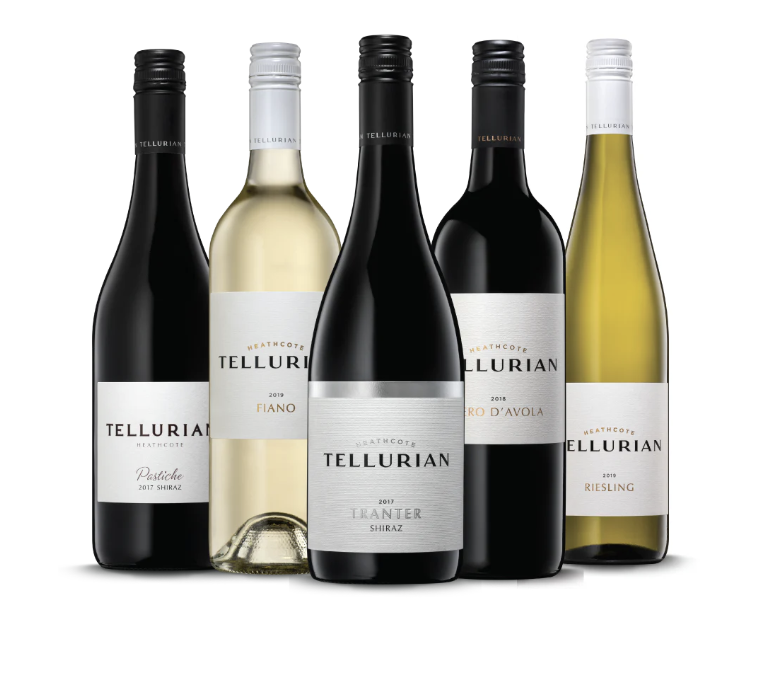
One of the most compelling examples of this cultural pairing lives in Victoria’s Heathcote region, where Tellurian Wines has partnered with Red Desert Dreamings to bring Indigenous artworks into the heart of their cellar door experience.
The setting already carries a strong sense of identity. Tellurian is known for elegant, region-driven wines, framed by wide skies and mineral-rich soils. Now, step inside the tasting room and you’re met with carefully selected pieces created by Indigenous Australian artists from Country stretching across Central and Western Desert regions.
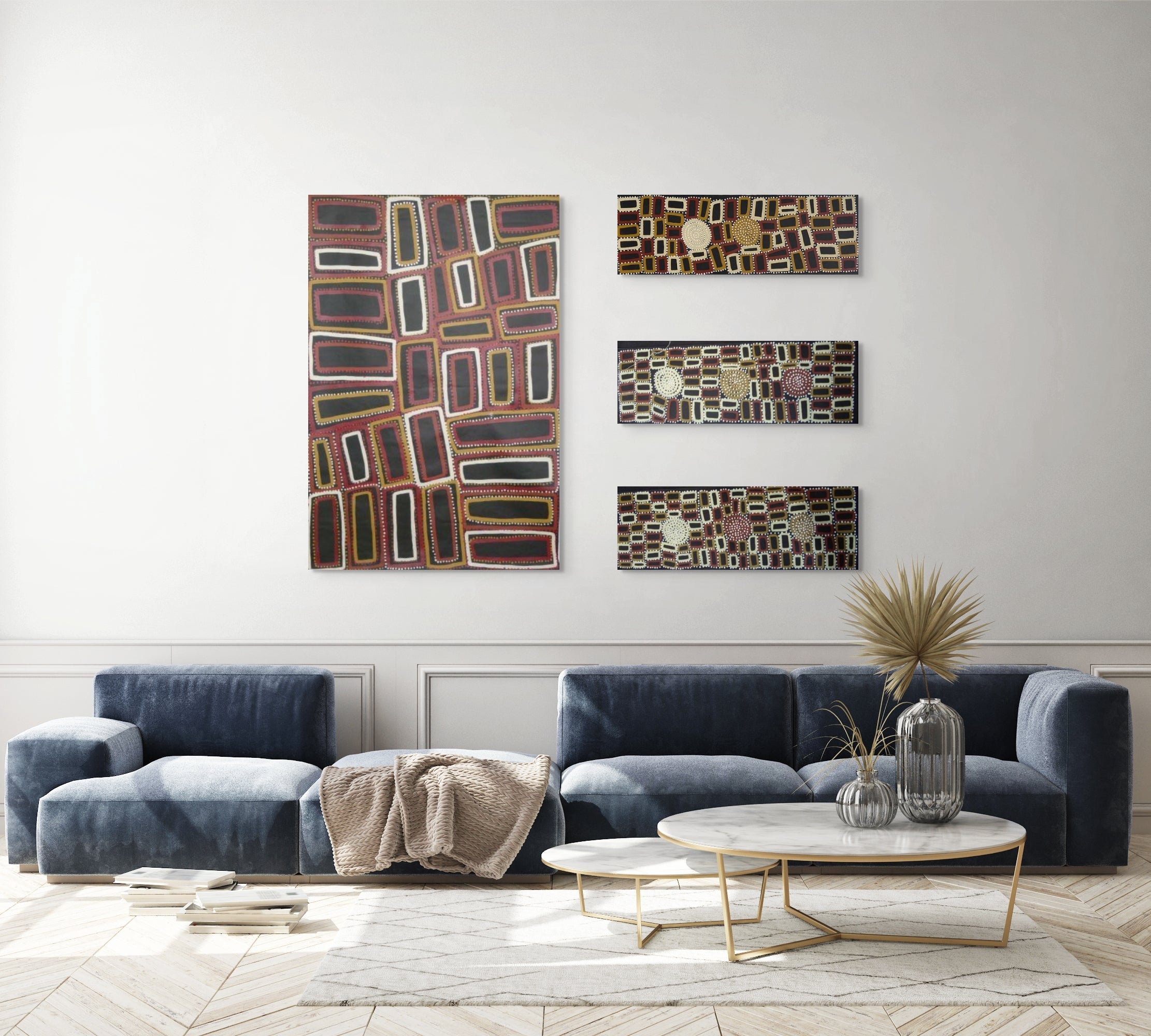
These works don’t simply decorate a wall. They shift the energy of the space. A storytelling painting depicting ancestral journeys might glow behind the tasting bench. Earth-toned dot works echo the patterns of the land outside. In soft afternoon light, the connection between artwork and terroir becomes unmistakable.
And here’s the thing: this collaboration matters for more than atmosphere.
These partnerships support cultural education, ethical representation, and sustainable opportunities for artists. Visitors learn about living cultural narratives, not museum relics. The artists receive recognition and economic support. And wineries like Tellurian help create an environment where culture sits at the centre of the experience, not on the edges.
Why More Wineries Are Embracing Art and Wine Collaboration
As this movement spreads, wineries across the country have discovered how transformative genuine cultural partnerships can be.
1. A deeper relationship with Country
Wine regions sit on ancient land. Showcasing Aboriginal art honours that history in a way that feels both respectful and grounding.
2. Richer visitor experiences
Travellers want substance. They want cultural insight, storytelling, and a sense of connection they’ll remember long after the last sip.
3. Visual storytelling that enriches the landscape
The ochres, aerial perspectives, and rhythmic patterns of Dreamtime art naturally echo vineyard lines, stone walls, and natural light.
4. Interiors with meaning
While the artwork absolutely elevates tasting rooms, private dining spaces, and barrel halls, the cultural significance remains the heart of its presence. The art is there to speak, not just match a palette.
5. Supporting Indigenous Australian artists
Partnerships with galleries like Red Desert Dreamings help artists gain visibility while ensuring every piece is ethically sourced and culturally approved.
What It Feels Like to See Art in a Winery
Walking into a winery that integrates art feels different from stepping into a traditional gallery. You’re surrounded by vineyard light, timber beams, open skies, and the scent of wine resting in oak.
Art becomes part of the moment instead of something kept behind velvet ropes. You might follow a sculpture trail through the vines or pause in front of a painting as a winemaker describes the season that shaped your glass.
The emotional mix is striking. The wine opens your senses. The artwork brings you deeper into the story of the land. Together, they create a grounded, memorable experience that lingers like the last soft notes of a good vintage.
Why Winery Exhibitions Matter for Collectors
Collectors often find their most meaningful pieces in unexpected places. Wineries offer something galleries can’t always replicate: natural light, slower pacing, and the chance to experience art in a lived-in space.
For collectors, winery exhibitions offer:
-
a relaxed environment to discover new artists
-
the chance to view pieces from multiple angles
-
emotional resonance created by the blend of art, land, and wine
-
more accessible exposure to Indigenous Australian artists
-
meaningful encounters that often lead to first-time purchases
This is why art and wine collaboration models like Tellurian’s are becoming powerful pathways for both galleries and collectors.
The Future of Art and Wine Collaborations in Australia
As interest grows, the future holds some exciting possibilities:
Curated exhibitions inside cellar doors
Shows aligned with regional stories or specific Dreaming narratives.
Artist-in-residence programs
Visitors could watch artists at work or learn directly from cultural storytellers.
Outdoor Aboriginal sculpture trails
Pieces placed in the landscape to create a multisensory connection to Country.
Wine-and-art pairing events
Matching artworks with wines that echo their emotion or palette.
Harvest-season cultural festivals
Blending food, wine, music, and Indigenous creativity into large-scale community events.
All of these pathways point toward the same cultural direction: deeper connection, stronger representation, and shared respect.
Ethical Sourcing and Cultural Respect
Visitors and collectors need to know that all pieces featured through Red Desert Dreamings are ethically acquired and presented with full cultural permission. Each artwork carries the story of its community and the authority of the artist. This ensures that every piece shown in winery spaces honours its origins, not just its visual impact.
FAQs
1. Why are wineries in Australia showcasing Aboriginal art?
Because Aboriginal art beautifully represents the land, heritage, and creativity that parallel the craftsmanship behind fine Australian wines.
2. What makes the collaboration between Red Desert Dreamings and Tellurian Wines special?
It blends storytelling, culture, and sensory experiences—visitors enjoy art that honours Country while tasting wines born from the same land.
3. How does Indigenous art enhance the winery experience?
It adds emotional and cultural depth, transforming tasting rooms into immersive cultural environments that celebrate both land and lineage.
4. Are these collaborations beneficial for Indigenous artists?
Yes. They create opportunities for fair trade, exposure, and cultural education while ensuring artists remain at the centre of the narrative.
A Meeting of Land, Story, and Spirit
Pairing fine wine with Aboriginal art is more than an aesthetic choice. It’s a celebration of heritage and a recognition of the land that sustains both creativity and agriculture.
As wineries continue to embrace Indigenous art, they create grounded, memorable experiences that stay with visitors long after the tasting is over. They also help strengthen cultural appreciation and respectful engagement with Australia’s oldest continuing culture.
If you ever walk into a place like Tellurian Wines and see a piece of Dreamtime art glowing against the soft afternoon light, you’ll understand why this pairing feels so natural. It’s a meeting of land, story, and spirit, expressed through wine, creativity, and Country.
Discover the Indigenous artworks featured in winery collaborations like Tellurian Wines.